
 Dr Gemma Harper OBE, Chief Executive of JNCC, joined senior representatives of the Armenian Government, the COP17 Presidency and international partners at the Women Forum at CBD COP17 this week to help advance implementation of the Kunming-Montreal Global Biodiversity Framework through more inclusive and evidence-informed approaches to biodiversity action.
Gemma contributed UK expertise in evidence-based nature conservation and recovery, and highlighted the critical role that robust evidence plays in delivering effective biodiversity outcomes. She emphasised that achieving the goals of the Kunming-Montreal Global Biodiversity Framework will depend on bringing together scientific evidence, local knowledge and practical experience to support better decisions for nature and people.
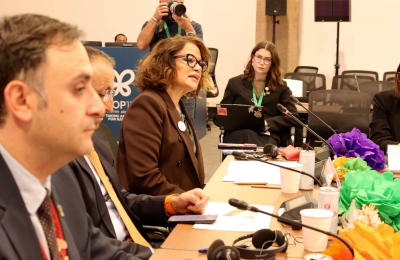
The forum brought together ministers, representatives of the COP17 Presidency, international organisations, Indigenous Peoples and local communities, scientists and civil society leaders to explore practical action to implement the Convention on Biological Diversity's Gender Plan of Action and Target 23 of the Kunming-Montreal Global Biodiversity Framework.
A central focus of the discussions was how countries can move from global commitments to measurable action for nature. Participants considered practical approaches to supporting women’s leadership, improving access to resources, and ensuring biodiversity policy and investment decisions are informed by the widest possible range of knowledge, expertise and lived experience.
Drawing on the story of a Samburu Indigenous leader from Kenya, Gemma challenged delegates to consider how many women are already driving positive change for biodiversity while remaining under-represented in the systems that shape policy, evidence and investment.
Gemma said: "Women do not need us to teach them how to lead. Women are already leading. Our responsibility is to ensure that our institutions recognise that leadership, that our evidence reflects it, that our investment supports it, and that our decisions are shaped by it."
The discussions reflected growing international recognition that successful implementation of global biodiversity commitments requires not only political ambition and investment, but also governance and decision-making that draw on the broadest possible range of knowledge, expertise and experience.
Highlighting JNCC's role as a science and evidence organisation, Gemma stressed the importance of ensuring that biodiversity evidence captures perspectives and expertise that might otherwise be overlooked.
"What remains invisible rarely gets prioritised. If women's knowledge, leadership and experience are absent from our understanding of nature, then our decisions will always be incomplete."
The forum also highlighted the importance of ensuring that those already delivering change on the ground are able to help shape the policies, investments and conservation priorities needed to achieve lasting outcomes for nature and society.
For JNCC, the discussions reinforced that effective implementation of the Kunming-Montreal Global Biodiversity Framework depends on evidence that reflects the people, knowledge and experience already driving progress on the ground. As countries work to translate global ambition into national delivery, ensuring those perspectives inform policy and investment decisions will be critical to achieving lasting outcomes for nature and people.
Published: